Explore BDes in UI UX design—top UI UX design course in India, complete syllabus breakdown, and why a bachelor in UI UX design is a smart career choice.
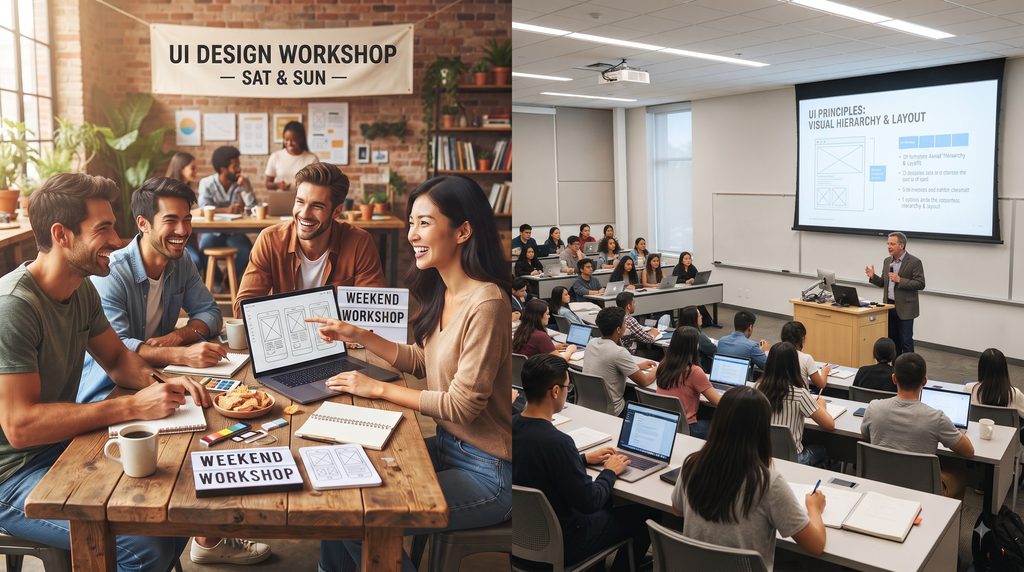
As businesses increasingly compete on digital experience, the demand for skilled UI/UX professionals has surged across industries—from fintech and e-commerce to healthcare and SaaS. This growing demand has made a BDes in UI UX design one of the most promising undergraduate programs for students who want to combine creativity with technology-driven problem solving.
Unlike short-term certifications, a bachelor’s degree offers a structured, in-depth education that prepares students not just to use design tools, but to think like designers—understanding users, solving real problems, and building products people genuinely enjoy using. This guide breaks down what a BDes in UI UX design actually involves, how it compares to other course formats, and why it’s becoming a preferred choice among design aspirants in India.
What Is a BDes in UI UX Design?
A Bachelor of Design (BDes) in UI UX design is a full-time undergraduate program, typically spanning three to four years, that combines design theory, user research, visual design, and technology fundamentals. Unlike shorter certificate courses that focus narrowly on tools like Figma or Adobe XD, a bachelor’s program builds a much broader foundation—covering psychology, human behavior, front-end basics, and design research methodology alongside core UI/UX skills.
This comprehensive structure makes graduates more versatile, equipping them not just to execute designs, but to lead design thinking within teams, conduct independent user research, and make strategic product decisions.
Why Choose a Bachelor in UI UX Design Over Shorter Courses
While certificate courses and bootcamps offer quick entry into the field, a bachelor in UI UX design offers distinct long-term advantages:
- Deeper theoretical foundation – Covers psychology, cognitive science, and design research alongside practical tools
- Structured skill progression – Builds skills systematically over several years rather than compressing everything into a few months
- Stronger academic credibility – A recognized degree often carries more weight for corporate roles and higher education opportunities
- Extensive practical exposure – Multiple live projects, internships, and often a final capstone project
- Broader career flexibility – Prepares graduates for diverse roles, from UX research to product design leadership, rather than narrowly focused tool proficiency
For students committed to building a long-term career in design—rather than a quick skill upgrade—a bachelor’s program typically offers a more solid foundation.
Understanding the UI UX Design Course Syllabus
A well-rounded UI UX design course syllabus at the bachelor’s level typically spans multiple semesters, gradually progressing from foundational concepts to specialized, industry-ready skills.
Foundation Years: Design Thinking and Core Principles
Early semesters usually focus on:
- Design thinking methodology and problem-solving frameworks
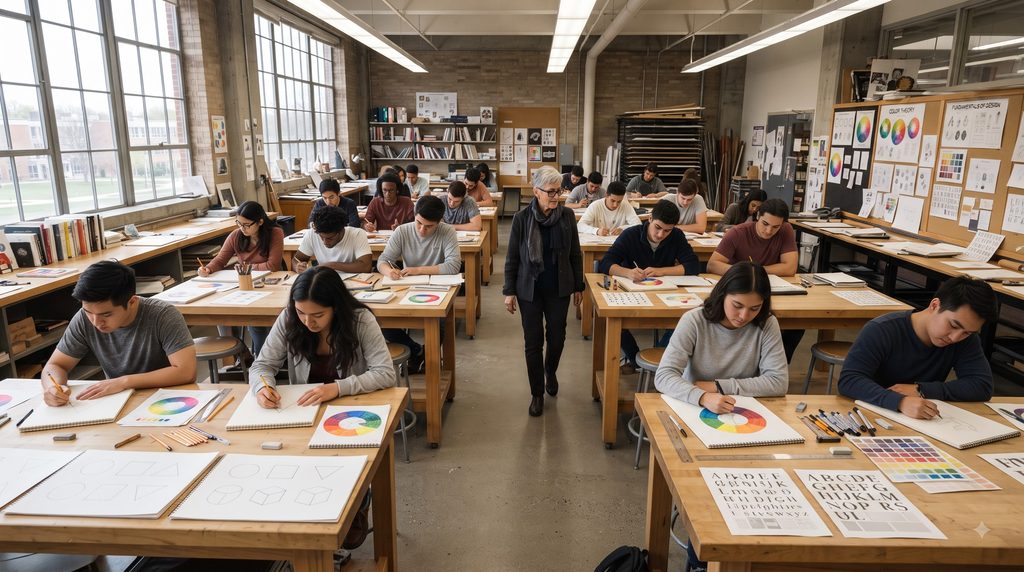
- Basics of visual design—typography, color theory, layout, and composition
- Introduction to user psychology and behavior
- Sketching and ideation techniques
- Basic drawing and visual communication skills
Mid-Program: Core UI/UX Skills
As students progress, the curriculum shifts toward specialized UI/UX competencies:
- User research methods—interviews, surveys, and usability testing
- Information architecture and wireframing
- Prototyping using industry-standard tools like Figma, Adobe XD, and Sketch
- Interaction design and micro-interaction principles
- Basic front-end development concepts (HTML, CSS, and JavaScript fundamentals)
Advanced Years: Specialization and Real-World Application
Later stages typically include:
- Design systems and component-based design
- Advanced usability testing and iterative design processes
- Design for accessibility and inclusive design principles
- Live industry projects and internships
- A final capstone project showcasing end-to-end design thinking
This progressive structure ensures students don’t just learn tools in isolation but understand how each skill fits into the larger product design process.
BDes in UI UX Design vs Other UI UX Design Courses in India
When exploring a UI UX design course in India, aspirants typically encounter three broad categories:
Short-Term Certificate Courses
These range from a few weeks to a few months and focus narrowly on tool proficiency and basic design principles. They suit working professionals seeking quick upskilling but often lack the depth needed for research-driven or leadership design roles.
Diploma Programs
Diploma courses, usually 6 months to a year, offer a middle ground—covering more depth than short certificates but without the extensive academic grounding of a full degree.
Bachelor in UI UX Design (BDes)
As the most comprehensive option, a bachelor’s program combines academic rigor with practical skill-building, making it particularly suitable for students entering design directly after school, without prior work experience to draw upon.
Each format serves different needs, so the right choice depends on your career stage, timeline, and long-term goals—whether that’s quick employability or a strong foundational career start.
Key Skills You’ll Develop During a BDes in UI UX Design
Beyond just software proficiency, a bachelor’s program in UI/UX design typically develops well-rounded professional skills, including:
- Empathy-driven design thinking – Understanding real user needs before jumping to solutions
- Research and analytical skills – Gathering and interpreting user data to inform design decisions
- Visual and interaction design proficiency – Creating interfaces that are both functional and aesthetically compelling
- Collaboration and communication – Working effectively with developers, product managers, and stakeholders
- Critical thinking and iteration – Continuously refining designs based on testing and feedback rather than treating first drafts as final
These transferable skills make graduates valuable not just as designers, but as strategic contributors within product teams.
Career Opportunities After Completing a BDes in UI UX Design
Graduates of this program can pursue diverse roles across industries that increasingly prioritize digital user experience:
- UI Designer – Focusing on visual interface design and design systems
- UX Designer – Specializing in research, usability, and overall user experience strategy
- Product Designer – Combining UI/UX skills with broader product strategy involvement
- UX Researcher – Concentrating on user research methodologies and behavioral insights
- Interaction Designer – Focusing specifically on animations, transitions, and micro-interactions
- Design Consultant – Offering freelance or consulting services across multiple client projects
With India’s tech and startup ecosystem expanding rapidly, opportunities for skilled UI/UX professionals continue to grow across both established companies and emerging product-based startups.
What to Look for When Choosing a UI UX Design Course in India
Whether you’re considering a full BDes program or comparing it against shorter alternatives, evaluate these factors before enrolling:
- Curriculum depth – Does the syllabus cover both research-driven UX and visual UI design comprehensively?
- Industry exposure – Are live projects, internships, or industry mentorship built into the program?
- Tool proficiency – Does the course provide hands-on training with current industry-standard tools?
- Faculty experience – Do instructors bring real industry experience, not just academic backgrounds?
- Portfolio outcomes – Does the program actively support building a strong, job-ready portfolio?
- Accreditation – Is the degree or diploma recognized by relevant educational or design bodies?
Is a BDes in UI UX Design Right for You?
This program suits students who:
- Enjoy solving problems through both logical analysis and creative expression
- Are curious about human behavior and decision-making
- Want a long-term, structured academic foundation rather than a quick skill upgrade
- Are comfortable working with both design tools and basic technical concepts
- Aspire to grow into strategic design roles, not just execution-focused positions
If you’re drawn to understanding why users behave a certain way—not just how to make things look good—a bachelor’s program’s research-driven approach will likely align well with your interests.
Final Thoughts
A BDes in UI UX design offers a comprehensive, structured pathway into one of today’s most in-demand creative-technical careers. By combining a strong UI UX design course syllabus with practical exposure and research-driven thinking, this bachelor in UI UX design program prepares graduates for diverse roles across India’s rapidly growing digital economy. Whether you’re evaluating this against shorter UI UX design course in India options or comparing multiple institutes, prioritizing curriculum depth, practical exposure, and long-term career alignment will help you make the right choice for your design career.