Explore the best jewellery design course in India, including diploma programs, 6-month courses & classes. Learn skills, career scope, fees & how to choose the right institute.
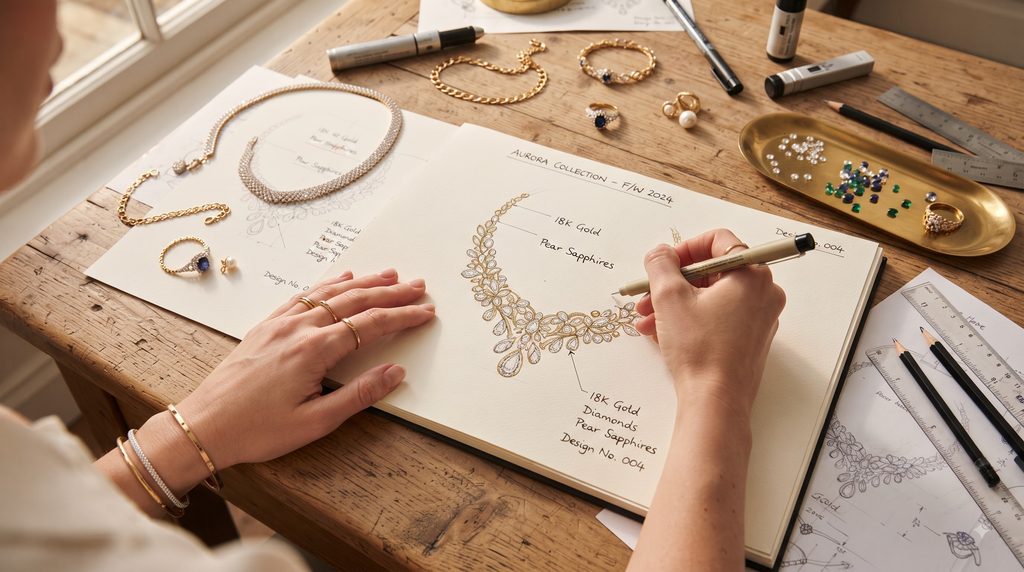
India has long been celebrated as one of the world’s leading hubs for jewellery craftsmanship, blending centuries-old artisanal traditions with cutting-edge design technology. As the country’s jewellery industry continues to expand—driven by rising domestic consumption, growing exports, and increasing demand for personalized, fusion-style ornaments—the need for professionally trained designers has never been greater. This has made a jewellery design course in India one of the most sought-after career paths for creative individuals who want to combine artistry with a stable, lucrative profession.
Whether you’re a fresh graduate exploring your options, a working professional considering a career switch, or someone with an entrepreneurial vision to launch a jewellery label, understanding the various course formats, curriculum structures, and career opportunities can help you make a well-informed choice.
Why the Jewellery Industry Needs Trained Designers
India’s gems and jewellery sector is among the largest contributors to the country’s GDP and export revenue. From traditional Kundan and Meenakari work to contemporary minimalist and fusion designs, the industry demands professionals who can seamlessly blend heritage aesthetics with modern manufacturing techniques.
Trained jewellery designers are equipped with knowledge of sketching, gemology, metallurgy, computer-aided design (CAD), and market trends—skills that self-taught enthusiasts often struggle to master without structured guidance. This is precisely why enrolling in a recognized institute or academy has become the preferred route for aspiring designers who want credibility, industry exposure, and a strong professional network.
Types of Jewellery Design Courses in India
India offers a diverse range of learning formats to suit different career goals, timelines, and budgets. Let’s break down the most popular options.
1. Jewellery Design Diploma Courses
Jewellery design diploma courses are structured academic programs, typically spanning one to two years. These diplomas are offered by design institutes, polytechnic colleges, and specialized jewellery academies across cities like Mumbai, Delhi, Jaipur, and Surat.
A typical diploma curriculum includes:
- Design fundamentals – Understanding form, proportion, balance, and composition
- Hand rendering and illustration – Sketching original jewellery concepts on paper
- Gemology basics – Identifying and grading precious and semi-precious stones
- Metal fabrication – Learning casting, filing, soldering, and polishing techniques
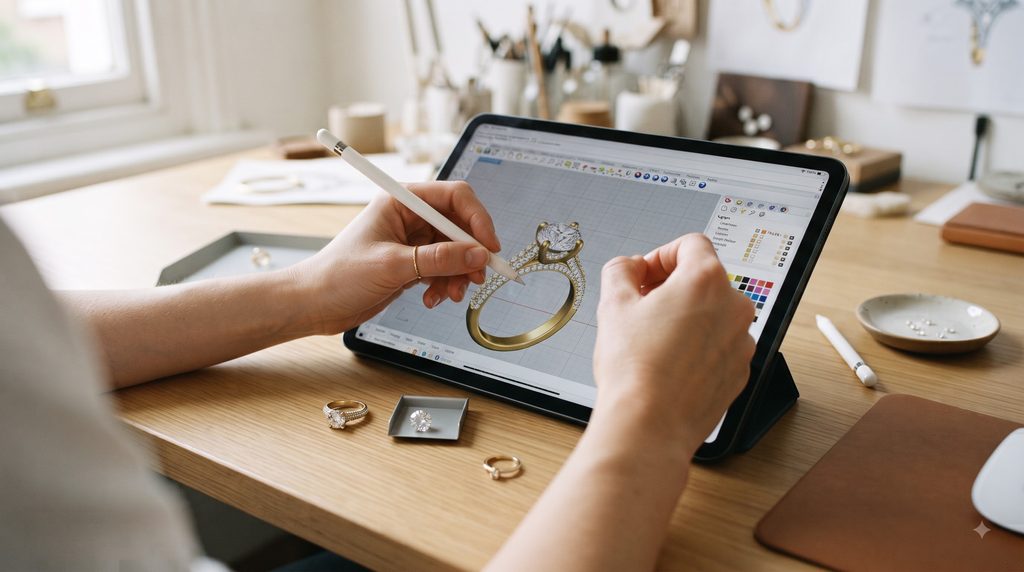
- CAD/CAM training – Using software like RhinoGold, Matrix, and JewelCAD for precision digital modeling
- History of jewellery – Studying traditional Indian ornamentation styles alongside global design movements
- Portfolio development – Building a professional body of work for job placements or freelance opportunities
Diploma programs are ideal for those seeking an industry-recognized qualification that opens doors to reputed design houses, export units, and luxury retail brands. Many institutes also offer internship placements with established jewellers, giving students real-world exposure before graduation.
2. 6 Months Jewellery Design Course
For individuals who want to enter the workforce quickly or simply test their interest in the field, a 6 months jewellery design course is an excellent middle-ground option. These short-term certificate programs are more condensed than diplomas but still cover essential skills, including:
- Basic sketching and design principles
- Introduction to gemstones and metals
- Foundational CAD software training
- Trend analysis and market awareness
- Simple prototyping techniques
A 6-month course is particularly popular among working professionals looking to transition into the jewellery industry without dedicating years to full-time study. It’s also a smart choice for hobbyists who want to explore jewellery-making as a creative outlet or side business before committing to a longer academic path.
3. Jewellery Design Classes and Short Workshops
For beginners who prefer flexibility, jewellery design classes offer bite-sized, skill-specific learning. These classes—often conducted as weekend workshops or evening sessions—focus on niche techniques such as:
- Basic hand sketching for jewellery
- Wax carving and modeling
- Bead stringing and wire-wrapped jewellery
- Introductory digital rendering
- Traditional techniques like Kundan setting or Meenakari
Such classes are widely available both offline and online, making them accessible even to those in smaller towns or with limited time. They serve as a low-commitment entry point for people curious about the craft before enrolling in a longer, more intensive program.
Core Skills Taught Across Jewellery Design Programs
Regardless of which course format you choose, most reputable programs aim to develop a well-rounded skill set that blends artistic ability with technical and business acumen:
- Sketching and illustration – The foundation of translating creative ideas into visual concepts
- Gemology – Understanding diamonds, colored gemstones, and their quality parameters
- CAD/CAM proficiency – Digital modeling has become essential for precision manufacturing and faster production timelines
- Metallurgy and casting – Hands-on knowledge of working with gold, silver, platinum, and alloys
- Trend forecasting – Staying updated with evolving consumer preferences in fine and fashion jewellery
- Business fundamentals – Pricing, branding, and marketing skills for those aspiring to launch independent labels
- Sustainability awareness – Growing emphasis on ethically sourced materials and eco-conscious production methods
Career Opportunities After Completing a Jewellery Design Course
Graduates of jewellery design programs can pursue a variety of rewarding career paths, including:
- In-house Jewellery Designer – Working with established brands, export houses, or manufacturing units to create new collections
- CAD/CAM Specialist – Focusing exclusively on digital modeling and production-ready design files
- Freelance Designer – Offering design services independently to multiple clients or boutique labels
- Jewellery Entrepreneur – Launching a personal label or online store showcasing original designs
- Gemologist or Gem Consultant – Specializing in stone identification, sourcing, and certification
- Visual Merchandiser – Curating in-store displays and campaigns for jewellery retail brands
- Jewellery Illustrator – Creating design concepts for magazines, catalogs, or marketing collateral
With India’s jewellery exports continuing to rise and e-commerce opening new markets, skilled designers now have opportunities to work with international clients, participate in global trade fairs, and even build direct-to-consumer online brands.
Top Cities in India for Jewellery Design Education
Certain cities have emerged as hubs for jewellery design education due to their proximity to manufacturing clusters and design institutes:
- Mumbai – Home to several premier design schools and close to major export houses
- Jaipur – Known as India’s gemstone capital, ideal for gemology-focused learning
- Delhi NCR – Offers a mix of traditional and contemporary design institutes
- Surat – A major diamond processing hub with specialized technical training centers
- Kolkata – Known for traditional craftsmanship and heritage jewellery techniques
Choosing a city with strong industry connections can significantly enhance internship and placement opportunities during and after your course.
How to Choose the Right Jewellery Design Course
With so many options available, selecting the right program can feel overwhelming. Here are key factors to evaluate before enrolling:
1. Course Duration and Format
Decide whether you need a quick certificate, a 6-month program, or a comprehensive diploma based on your career timeline and existing commitments.
2. Curriculum Depth
Ensure the syllabus balances traditional hand-crafting techniques with modern digital tools like CAD/CAM, as the industry increasingly relies on both.
3. Practical Exposure
Look for institutes that offer hands-on workshops, live projects, and internship tie-ups with jewellery brands or manufacturers, since practical experience is invaluable in this hands-on industry.
4. Faculty Expertise
Instructors with real industry experience bring practical insights that go beyond textbook learning, helping students understand market realities.
5. Placement Assistance
Many reputed institutes offer placement support, connecting graduates with jewellery houses, export units, and retail brands—an important factor if you’re seeking immediate employment after the course.
6. Infrastructure and Resources
Access to well-equipped labs, CAD software licenses, and gemology tools can significantly impact the quality of your learning experience.
7. Alumni Network and Reviews
Researching testimonials and success stories from past students can offer valuable insight into an institute’s actual outcomes versus marketing claims.
Course Fees and Investment
Fees for jewellery design programs in India vary widely based on course type, institute reputation, and duration:
- Short workshops/classes – Generally the most affordable, ranging from a few thousand rupees
- 6-month certificate courses – Moderately priced, offering good value for quick, focused learning
- Diploma programs – Higher investment but typically include comprehensive training, better infrastructure, and stronger placement support
It’s advisable to compare curriculum offerings against fees rather than choosing based on price alone, since the quality of practical training often determines long-term career success.
The Growing Role of Technology in Jewellery Design
Modern jewellery design is no longer limited to pen-and-paper sketches. CAD/CAM software has revolutionized the way designs are conceptualized, tested, and manufactured, allowing designers to create intricate, precise models before physical production begins. This reduces material wastage, speeds up prototyping, and enables mass customization—an increasingly popular trend among consumers seeking personalized jewellery pieces.
As a result, most updated jewellery design courses now place significant emphasis on digital tools alongside traditional craftsmanship, ensuring graduates are equipped for both heritage-style work and contemporary manufacturing demands.
Final Thoughts
A jewellery design course in India offers an exciting gateway into one of the country’s most creatively fulfilling and commercially promising industries. Whether you choose an in-depth diploma program, a focused 6-month course, or introductory classes, quality training can equip you with the technical skills, artistic sensibility, and business knowledge needed to thrive in this competitive field.
As India’s jewellery sector continues to evolve—embracing sustainability, digital innovation, and global design trends—now is an opportune time to invest in professional training and carve out a successful career in jewellery design.